
A couple of months ago, we posted about a research study we’d just enrolled in as a participant; the PREDICTSELF study, on sense of self in DID, at the Institute of Psychiatry, Psychology & Neuroscience (IoPPN) at King’s College London.
In that post, we talked about screening & assessment of DID generally – the content of the first in-person session with the research team.
To recap, the goal of session 1 is to ensure that people enrolled in the study as DID participants both a) have DID (natch) & b) are at an appropriate place in treatment, i.e. stable enough, with enough coping skills, to manage participating in the research and any difficult feelings or experiences that it might bring up.
Well, yesterday we completed session 1, and we got an email not long after, asking us back for sessions 2, 3 and 4.
No surprises there – but we were still nervous until after we’d left the building that we were going to get in trouble for wasting their time, that we’d be too much, or not enough, that kind of thing.
We’re so glad the clinical psychologist we talked with for the 3 hour session was so kind & considerate, easy to talk openly with, and that even though it was hard, it all went well.
They’ve really put a lot of effort into co-creating the process with people with lived experience to make it as smooth as possible for people with DID – the experience so far is helping us realise that there’s a lot that can be done to help put people like us at ease, and that’s a super encouraging thing for the future.
Here are a few things that spring to mind:
- Getting a chance to see the team before they saw us: Advertising the study with a video on The CTAD Clinic YouTube channel – behind able to see the two lead researchers faces, and hear them talk about the study, what would happen, and how naturally they talked about their passion for research that could help people with DID in the future made it a much less daunting choice for us, meant we knew who we were going to meet, and was just generally a nice touch.
- Consent within a system: They re-issue the consent before each session, to make sure the person consenting to the session is the same as the person taking part in the session. I don’t think it was a requirement for us, we were there together, but I 100% get where that comes from & it’s great that they’ve thought that through.
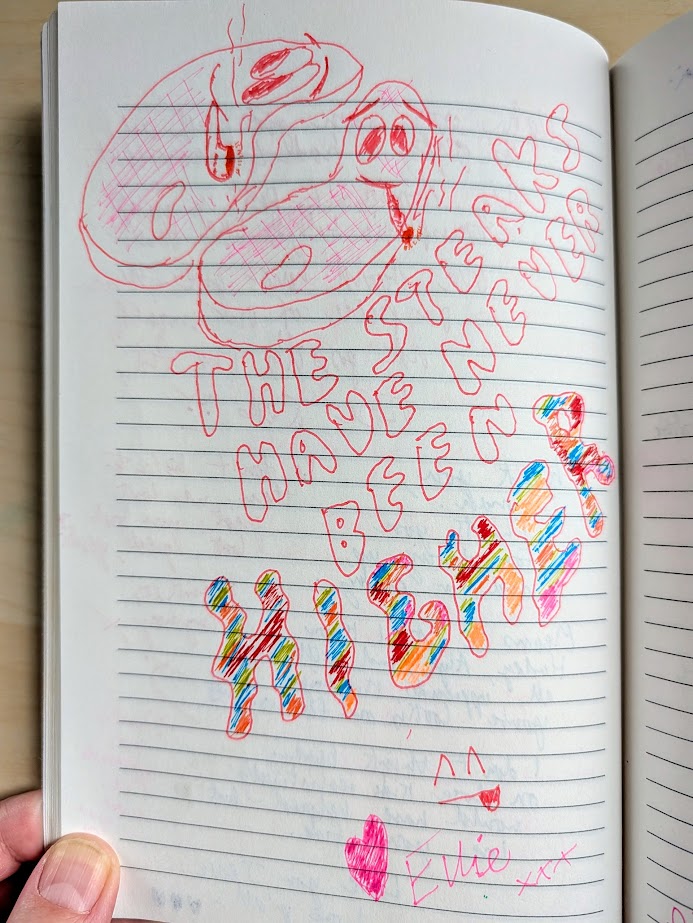
- Making the stakes feel manageable: So often, we feel like things are going to turn to disaster at any moment, and that, “the stakes have never been higher” (despite the fact that so many people describe us as one of the most calm, dependable & reliable people they know – how we feel is often a very different story!). The clinical psychologist we met with described what she’d be wearing before we arrived, was very friendly in email exchanges, and was explicit about just letting her know if we were running late, got lost, were having any difficulties, that kind of thing.
- Supportive of us knowing our needs: She was also very receptive to one of our plushies, Bingo, coming along with us – and Bingo sat in a chair next to us throughout (we put her down facing the psychologist, so we had a buddy sitting there with us the whole time ^^)
- Having resources for grounding out from the start: There were grounding bits and pieces like fidget toys, bottles of calming scents, that kind of thing, out on the table when we arrived – we didn’t need them ’cause we had Bingo, so we put them to one side, but still – it sent a message that they knew they might be needed, & that was ok – rather than making us ask for them.
- Creating natural breaks, while being flexible about them: The psychologist had suggested points in the conversation for breaks, so it wasn’t on us to bring them up, but also made clear we could take them any time we wanted.
We were nervous, but I think at a bit of an advantage compared to some by the fact that we’ve half a lifetime of experience being a psychology researcher at institutions like KCL – so the process, setting, and thought that goes into this kind of work was very familiar to us – none of this stuff ever felt like it had an, “alterior motive” (which I can imagine coming up for us in a different setting)
I’ve been the person interviewing people who are having a tough time, so many times over, and felt the genuine feelings of wanting to make the experience as positive & easy for people as possible. I could tell the team really care about this, and so far? they’re doing a remarkable job.
—
The clinical psychologist we spoke with said she was, “blown away by our ability to talk about our experiences”, but it’s a testament to how at ease she put us that we didn’t just wall up. Also, I think writing this blog has really helped with being able to formulate our thoughts about how to communicate about all things dissociative.
I felt through the whole interview like I should be apologising for not being able to describe things better, but with a little encouragement, we made it through.

We also had a laugh together about how absurd all the questions about, “remembering the things you don’t remember” are in the standardized questionnaires, and how trying to give a single number from 0-10 for questions that different parts are giving very different answers to, is also kind of hilarious (but also – how that kind of thing is helpful to talk about in itself).
The most interesting thing for me was that talking about, “How things are for me overall” was waaay harder than talking about parts xD
So yeah – really encouraged by the first session, and the lab tasks for sessions 2 & 3 sound like they’re likely to be very interesting experiences – I probably won’t talk about those in detail until after the study’s concluded, but still – watch this space!
Until next time, take care of yourselves, kiddos ❤
Riley & fam


Leave a Reply